You counter Knights in AoE2 by spotting the knight rush early and blunting it before it hits your eco, then using solid defenses like walling and early scouting to reveal the enemy’s stable. Shift to reliable counters such as pikemen and camels, with monks to support when timing allows. Target the opponent’s gold miners and disrupt their upgrades, while carefully planning your age-up and unit production to pressure their economy. The sections below walk through each step in detail.
Takeaways
- Recognize knight rush early: spot stables, quick builds, and map signals to plan timely defense and counter-attacks.
- Wall and scout first: seal entrances, identify enemy timing, and disrupt their eco while preparing a counter.
- Use appropriate counters by age: mass pikemen/halberdiers in Feudal to Castle ages; add camels or monks if civ allows.
- Disrupt enemy gold: target miners, deny gold access, and pressure timing to slow knight production.
- Plan coordinated counterplay: couple defense with a decisive eco-focused strike to punish their flawed expansion and upgrades.
Why the knight rush is the default mid-game threat
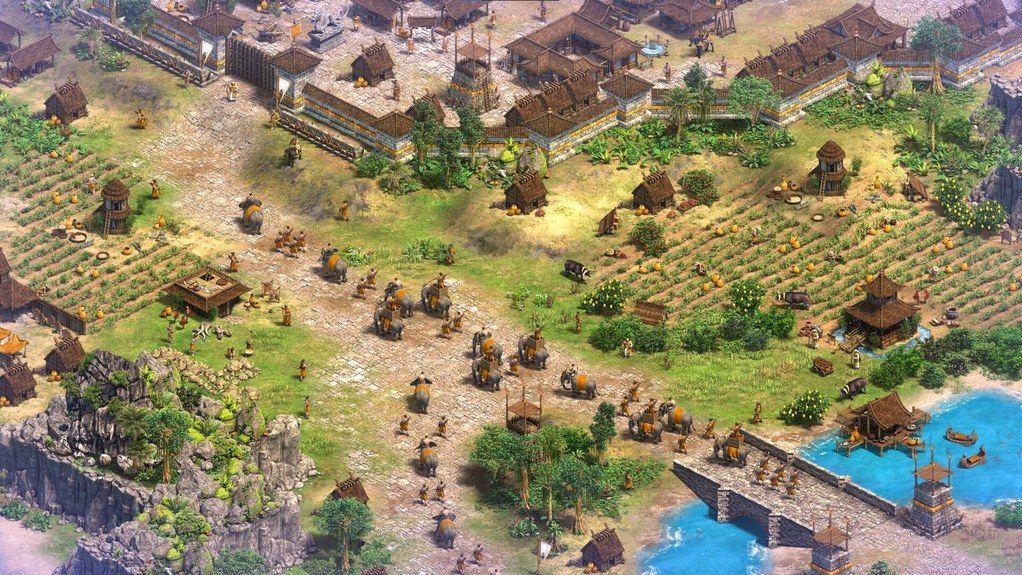
The knight rush has become the default mid-game threat because it’s fast, flexible, and difficult to counter without committing specific early resources.
You face constant upgrade pressure, limited counter options early, and persistent map pressure, so you must plan ahead.
Understanding the knight threat helps you recognize timing, invest safely, and build defenses that cut off their gold reliance.
Spotting the rush before it lands
You spot the rush by reading your opponent’s early choices: a fast, exposed secondary building pattern and a quick stable in the enemy’s base often signals knights moving in soon.
Track their scout and herd economy to estimate the hour of activation, and watch for stable placement and army movement to predict the timing.
With accurate map reads, you can prepare walls and a counter-strategy before the first knight arrives.
Scouting, stable timing and map reads
Spotting a knight rush starts long before the action reaches your base. You practice scouting, reading timing, and map reads to anticipate pressure.
Maintain stable timing by watching wood and stone flow, and note when an opponent adds a stable or sends early cavalry.
Map reads reveal terrain features, route choices and potential flank points that let you prepare defenses.
The three answers, ranked by reliability
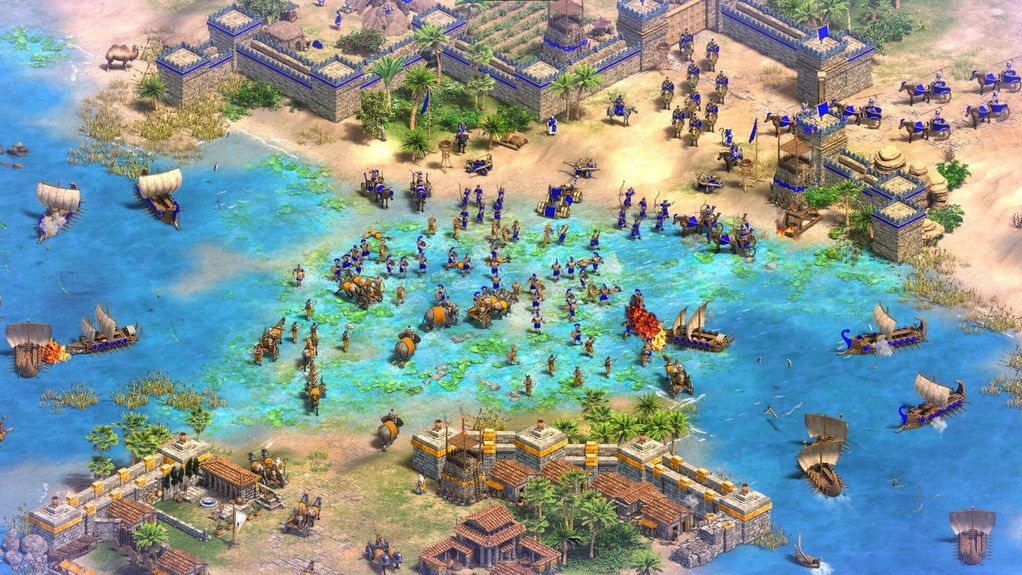
You’ll see three reliable answers to counter Knights: Pikemen and Halberdiers should mass to exploit their anti-cavalry bonus, Camels work best when the civilizations you face field camel units, and Monks at Castle Age can convert or protect key units to blunt an attack. Use these options in order of reliability to plan your age-up and unit production, adjusting your approach as the game unfolds. Below is a simple table to compare how each option stacks up against Knights and Paladins, followed by a concrete, stage-by-stage guide you can apply in matches.
| Counter option | Key strength | Best when to use against Knights/Paladins |
|---|---|---|
| Pikemen and Halberdiers | Strong anti-cavalry damage with mass | Early to mid Feudal through Castle when you can field enough to overwhelm knights |
| Camels | Effective against knight-heavy builds for camel civs | When facing specific civs that benefit camel bonuses; use after you’ve secured camel production |
| Monks (Castle Age) | Conversion power and protective aura for monks | Used to flip engagements and save vulnerable units, especially if you’ve secured a safe stone or gold position |
For background, see the counter-franks guide, the knight rush build order and the Franks knight rush, then drill the defense timing with our guide on how to practice build orders. For the elephant side of the counter game, see how to counter elephants, and use the AOE2 civilization tier list to judge when a civ can lean on these answers.
Pikemen and Halberdiers: timing and mass
Pikemen and halberdiers offer the most reliable anti-cavalry response when facing knights, but their effectiveness depends on timing and mass.
Time your pikes to meet knights when they commit, and feed in enough numbers to survive the charge and win the grind.
The pikeman line scales with melee upgrades, formation and support from walls and scouting.
Camels: camel civs only
Camels are a strong answer to knights, but only for civs that have access to them, so check your civ before planning around them.
Camels counter cavalry well, so you can defend while pressuring gold-heavy knight players.
Deploy camels strategically, watch the timing windows, and balance your economy to sustain camel production and upgrades.
Monks at Castle Age: conversion and protection
Monks in Castle Age can be a reliable way to counter knights by converting enemy units and protecting your own key assets.
However, this approach requires careful timing and protection. Monks rely on conversion range, proper micro and escort units to survive.
Use monasteries, research conversion upgrades, and keep monks on safe retreat paths.
Walling and scouting to stop the rush before it starts
Walling and scouting are your first defense against a Knight rush, because if you can spot the timing early you can prevent the attack from ever reaching your base.
You’ll use walling and scouting to detect a stable, read the knight rush timing, and start early defense.
This approach supports a counter-attack mindset and anti-cavalry planning.
Counter-attacking the knight player
Their gold is the target, so you should pressure their eco and deny lingering mining while preparing to convert or harass knights with focused counter-attacks.
As you identify their knight ball, strike when their gold income is vulnerable, hit farms, gold miners, and their banked resources to slow or stall their production.
Coordinate a timely response with your own massed anti-cavalry or monk conversions to force a retreat or long-term economic disruption.
Their gold is the target
When you’re countering a knight rush, your main target is their gold, attack the eco and disrupt their income so they can’t fund more heavy units.
This approach forces the knight player into slower plans, increasing your chance to counter knights effectively.
Prioritize raids on gold mining and cut off safe economic paths to keep pressure steady without overextending.
Civ-specific notes
Goths, Byzantines, Aztecs, and camel civs each have unique strengths and weaknesses when facing knights, so your approach should reflect their specific bonuses and common compositions.
For Goths, prioritize cheaper infantry and quick, massed units to overwhelm knight play.
Byzantines benefit from a strong mix of units and reliable scaling with their flexible tech tree.
Aztecs rely on fast eco and infantry pressure to disrupt knight transitions.
Camel civs gain aura-like anti-cavalry benefits that complement stables, but require careful support from other units.
In all cases, identify the civ’s core strengths, adapt your early scouting and walling to reveal the opponent’s build, and plan counter-attack timings around when knights are most vulnerable to your civ-specific tools.
Goths, Byzantines, Aztecs and the camel civs
Goths, Byzantines, Aztecs, and camel civs each pose unique challenges that affect how you counter Knights, so you must tailor your approach to their specific traits.
Study their bonuses, prepare early anti-cavalry options, and coordinate a counter-attack plan.
Focus on timing: wall, counter, and pressure while targeting the knight rush gold flow for success.
Unit counter table: unit vs Knight and Paladin
To start, you should present a clear, side-by-side comparison of how each unit fares against Knight and Paladin in both cost and combat role, so readers can quickly judge which units are viable during different eras and in different civilization contexts.
| Unit | Cost & Role vs Knight/Paladin |
|---|---|
| Pikeman | Medium cost, anti-cavalry, strong with mass |
| Halberdier | Medium-high cost, anti-cavalry, versatile |
| Camel Rider | High cost, anti-cav, civ-restricted |
| Monks (Castle) | High cost, conversion, support |
| Spearman | Low cost, basic anti-cav, scalable |
FAQ
In this FAQ, you’ll see concise answers to what beats knights in AOE2, how many pikemen you need to stop a knight rush, whether monks are cost-effective against knights, how to halt a knight rush in Castle Age, and which civs counter knights best.
You’ll get clear, age-specific guidance, including practical numbers and civ considerations, so you can plan your defense or counter-attack without guesswork.
The aim is to summarize proven concepts and point you to the key factors that influence knight efficacy and counterplay.
What beats knights in AOE2?
What beats knights in AOE2? You can counter knights by using counter units like pikemen, halberdiers, camels, and monks at the right moment.
It helps to wall and scout early to spot a Knight Rush, then respond per age with the appropriate unit.
Focus on timing, target gold-heavy opponents, and coordinate a decisive counter-attack.
How many pikemen do I need to stop a knight rush?
You don’t need an exact number to stop a knight rush, but you do need to commit enough pikemen to overwhelm the enemy’s upgrades and the number of knights they produce.
Focus on mass, timing, and sustain; pikemen trade efficiently with knights, especially once upgraded.
Maintain spacing and support, so your line holds while you pressure their economy and upgrades.
Do monks counter knights cost-effectively?
Monks can counter knights, but they aren’t a cost-effective or reliable primary solution on most maps and in most situations.
Monks can convert some knights, yet conversion time and positioning risks limit how often you can land them.
Monks work best when combined with other anti-cavalry choices and castle-age timing.
How do I stop a knight rush in Castle Age?
A knight rush in Castle Age can threaten your eco and force quick decisions, but you can stop it by combining early warning, solid defenses, and targeted punishments.
Focus on anti-cavalry units, timely walls and good scouting.
Scout to spot the stable, counter-attack when safe, and protect eco by denying gold and pressuring their timing in castle age.
Which civs counter knights best?
Civ choices matter when facing knights, because some civilizations bring specific tools that zero in on anti-cavalry work or disrupt knight strategies more effectively than others.
For countering knights, favor civs with strong anti-cavalry bonuses, timely camels or conversion options.
Each civ has strengths in age progressions, so study unit costs, timing, and how to pressure their gold flow during a rush.