To counter War, Battle, and Ballista Elephants, you should employ a layered approach. Mass monks with walls or meat shields is your core, focusing on conversions while keeping them safe from trampling. Support with halberdiers or pikemen to rack up bonus damage, and deploy camels for anti-cavalry pressure. Add Onagers where possible to splash-clump elephants. Use civ-specific counters and map control to disrupt massing. If you keep this discipline, you’ll gain a clear advantage and learn more beyond.
Takeaways
- Use 6-8 Monks to convert War/Battle/Ballista Elephants, protected by walls or meat shields to avoid trampling.
- Deploy Halberdiers/Pikemen in numbers to exploit their bonus damage against elephants and slow charges.
- Incorporate ranged-siege support like Genoese Crossbowmen and Onagers to damage clumped elephants from a safe distance.
- Combine anti-elephant units with Camel cavalry for sustained harassment and frontline protection.
- Leverage map control and chokepoints to funnel elephants into splash damage zones and reinforce with infantry and siege.
The three elephant types and why each is scary
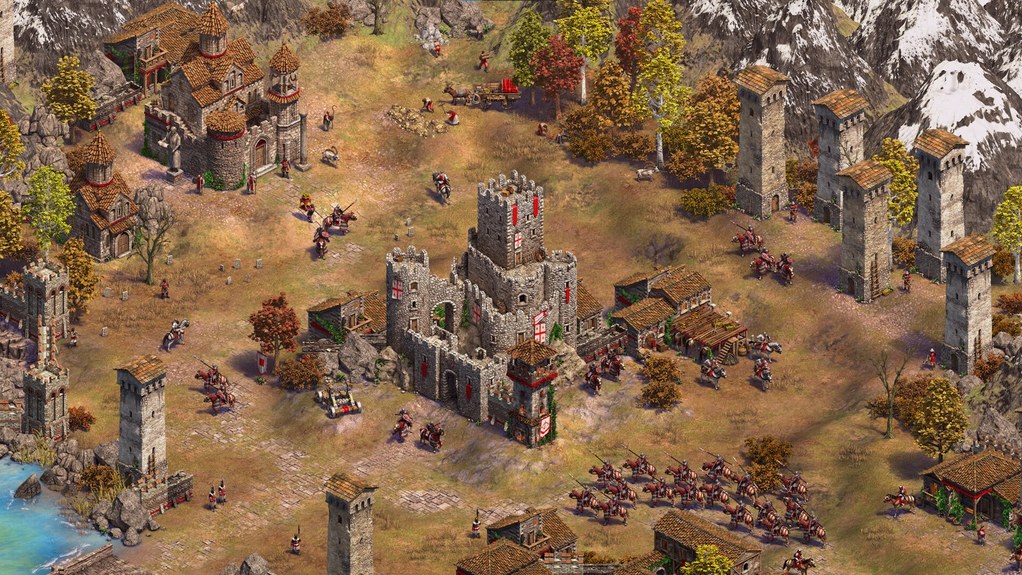
The three elephant types each pose distinct threats you must understand to counter them effectively. War Elephants from Persians are extremely durable and slow but devastating in melee, while Battle Elephants from Burmese, Khmer, Malay, Vietnamese, and Bengali rely on mass, mobility, and trample to crush infantry and pull apart lines. Ballista Elephants, the Khmer siege unit, mix ranged and armored threat, punished by heavy damage from siege weapons and several countermeasures when properly positioned.
| Counter unit | Notes |
|---|---|
| Monks | Best single answer when massed (6-8), convert elephants, protect with a meat shield or walls; many elephant civs lack Heresy, so timing is key. |
| Halberdiers/Pikemen | Strong anti-cav bonus damage; need mass to stop elephant charges and hold sides. |
| Heavy Camels and Imperial Camels | Cost-effective anti-cavalry with good first strike and mobility. |
| Siege Onagers | Effective on closed maps due to splash damage hitting clumped elephants; position to maximize blast radius. |
| Mamelukes | Saracen unit; hit-and-run melee can chip away at elephants without getting stuck in trample. |
War Elephants (Persians)
Persian War Elephants are the heaviest elephant in the game: high HP, strong melee and armor, trained at the Castle. They rely on slow speeds and mass to overwhelm defenders.
Use monks, anti-cavalry formations, or siege spread to prevent clumped targeting and curb their momentum.
Battle Elephants (Burmese, Khmer, Malay, Vietnamese, Bengali)
Battle Elephants are available to the Burmese, Khmer, Malay, Vietnamese and Bengali civs, and each civ brings its own threat and timing for countering.
- Use mass monks to convert and disrupt their momentum, protected by a frontline.
- Field anti-cavalry units like halberdiers, pikes, or camels to punish flanks.
- Deploy siege on closed maps to hit clumped elephants safely.
Ballista Elephants (Khmer)
Ballista Elephants are Khmer’s unique elephant unit and represent a distinct threat because they combine melee resilience with a ranged attack, making them harder to counter with simple melee pressure.
You must respect their ranged threat while engaging with protected, layered lines.
Use ballista elephant knowledge to plan your response, and counter via monks, halberdiers and siege support.
The universal counters, ranked by reliability
You’ll want to start with mass Monks to convert elephants, using 6 to 8 units and protecting them with a shield of walls or a meat shield to keep conversions safe.
Next, bring Halberdiers and Pikemen for strong anti-cavalry bonus damage, building enough in numbers to overwhelm elephants as they close in.
Finally, Heavy Camels or Imperial Camels offer cost-effective anti-cavalry utility, while Siege Onagers perform best on closed maps by projecting splash damage to tightly grouped elephants, though you’ll need control and timing to avoid counter-siege. For civ-level counters, see our guides on how to counter Franks, how to counter Mongols and how to counter Goths.
Monks and conversion (the number one answer: 6 to 8 monks, protect them)
- Mass six to eight monks, protect them with a shield, and keep them focused on conversion targets rather than direct fighting.
- Use walls or units as a meat shield to minimize elephant trampling risk.
- Move in carefully, converting elephants while avoiding mass retaliation.
Halberdiers and Pikemen
Are Halberdiers and Pikemen reliable counters to elephants? And why do they stand out above other options?
You use halberdiers versus elephants to exploit their strong bonus against cavalry, providing consistent damage as they advance, with lower cost than knights.
Pikemen similarly deter massed elephants, creating a cost-efficient, scalable line that reduces elephants’ momentum and trampling potential in mid to late stages.
Heavy Camels and Imperial Camels
Heavy Camels and Imperial Camels serve as the universal counters to elephants, and they’re ranked by reliability for a clear reason: both camel line units excel at anti-cavalry duties while remaining accessible in multiple civs and stages.
- Use them early to suppress mass elephants.
- Combine with a melee shield and archers for protection.
- Maintain constant eco pressure to sustain camels’ production.
Siege Onagers on closed maps
Siege Onagers shine on closed maps because their splash damage can hit tightly packed elephants without exposing your units to direct melee.
You deploy siege onagers behind walls or at chokepoints, targeting massed elephants before melee engages.
Protect with ranged support and micro to prevent overkill.
Maintain food and wood economy to sustain production.
Civ-specific counters: unique units that hard-counter elephants
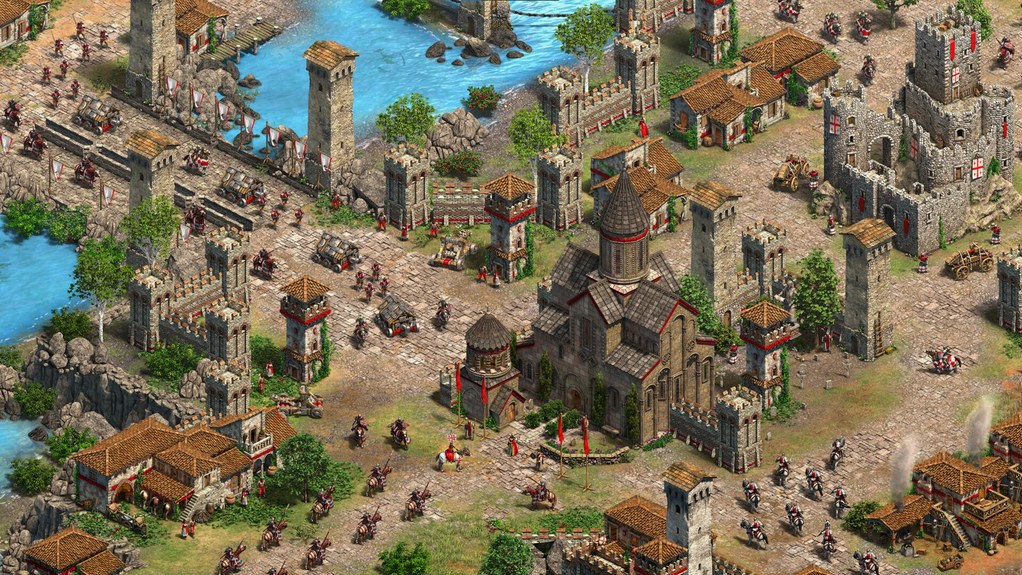
Mamelukes, Genoese Crossbowmen, and Kamayuks each offer distinct ways to counter elephants that players can rely on in different civs and maps.
Mamelukes perform hit-and-run melee harassment and can whittle down elephants while staying relatively safe. However, you must keep them away from massed melee to prevent being overwhelmed.
Genoese Crossbowmen provide strong ranged anti-elephant fire. Yet, they require support to endure trample damage and rely on terrain and protection for effectiveness.
Kamayuks attack at short range to minimize trampling and exploit the Inca unit’s special behavior. Though effective, they need coordination with other forces to prevent being overwhelmed by cavalry or siege.
In practice, you combine these civ-specific units with careful timing and positioning, using each unit’s strengths to blunt elephant charges and create openings for monks or infantry to finish the job.
Mamelukes, Genoese Crossbowmen and Kamayuks
In this subtopic, you’ll see how civ-specific units like Mamelukes, Genoese Crossbowmen, and Kamayuks counter elephants effectively, depending on the civ you play and the elephant type you face.
- Mamelukes trade hit-and-run damage, timing raids to disrupt elephant support.
- Genoese Crossbowmen provide ranged pressure, countering Ballista and War Elephants.
- Kamayuks exploit 1-range attacks to avoid trample damage.
Countering Ballista Elephants specifically (Khmer)
Ballista Elephants pose a unique threat to Khmer play because they combine heavy armor with ranged advantage, making direct melee responses inefficient.
To counter ballista elephants, you prioritize ranged or monk-focused pressure early, use massed anti-cavalry units, and deploy siege supports when the map allows.
Build Monks, Halberdiers, and Onagers to disrupt their formation and protect your economy.
What NOT to do: feeding Knights, letting them mass, skipping Heresy
One big mistake players make is feeding Knights, which means letting the enemy mass heavy cavalry by not punishing their production or denying their eco while they grow.
- Don’t let their eco surge unchecked
- Don’t skip Heresy when monks rely on it
- Don’t engage head-on with Knights without proper support
Master counter table: unit vs elephant type
The table below pairs each counter unit with the elephant types it beats, so you can make the right call mid-game. You’ll evaluate cost, damage type, best stage to deploy, and how effective each option is against War Elephants, Battle Elephants, and Ballista Elephants, so you can choose the right counter quickly. Use this as a reference to plan your army composition and timing, especially when gold is tight and you must avoid massed elephants.
| Unit | Cost | Notes on effectiveness against elephant types |
|---|---|---|
| Monks | 100 food, 25 wood | Most reliable for mass conversions; counter elephants when paired with a protective meat shield; limited by Heresy absence in many elephant civilizations |
| Halberdiers | 60 food, 20 wood | Strong anti-cavalry damage, effective in groups; needs support to handle heavy elephant infantry and massed units |
| Kamayuks | 50 food, 25 wood | Inca unit with shorter attack range; avoids trample damage and provides decent anti-elephant pressure when used in numbers |
| Heavy Camels | 120 food, 60 gold | Cost-effective anti-cavalry option; good against elephant units but slower to produce in mid-game |
Unit, cost, damage type, best stage and effectiveness
Unit choices must clearly match the elephant type you’re facing, and the table below starts this process by listing each unit’s cost, damage type, best game stage to deploy, and how effective it’s against the different elephants.
- Monks, 60f 20w, melee/convert, Castle, high effectiveness against War Elephants.
- Halberdiers, 60f 0w, melee, Feudal, strong vs War and Battle Elephants.
- Siege Onagers, 200f, siege, Imperial, best with clumped targets.
Example army compositions
In 1v1 games, your plan centers on monks massed to convert elephants while you shield them with an infantry meat shield, supported by ranged counters as needed.
In team games, split roles so counter units handle elephant threats and siege handles clumped targets, with monks still providing conversions when opportunities arise.
Use this structure to adapt your exact unit mix to civ bonuses, map type, and the elephant player’s timing, aiming for a steady rhythm of conversions, anti-elephant pressure, and controlled siege support.
1v1: monks plus an infantry meat shield
Monks remain a cornerstone counter when facing elephants, but you should pair them with a sturdy infantry shield to prevent swift elephant assaults from breaking through.
- Train monks early and protect them with infantry.
- Time your conversions to slow a mass.
- Keep gold steady for sustained monk production and food for your infantry.
Team games: split roles between counter units and siege
On team games, you should split roles so counter units and siege work in tandem to handle elephants without overcommitting to one side.
Place monks and anti-cavalry behind a staging wall while siege operators position on key choke points.
Coordinate timing: start with massed counter units, then release onagers or ballistae as elephants advance, maintaining map control and resource balance in AOE2.
A note for elephant players: what beats you
When you play elephants, you must understand what beats them to break their momentum early or prevent a massed push from winning the game.
- Monks with mass conversions protect your gains and slow the push.
- Halberdiers and Pikemen form a sturdy anti-cavalry line against war elephants.
- Siege Onagers on tight maps deny clumping and shred multiple targets.
War elephants demand disciplined counters and careful positioning.
FAQ
This FAQ covers the fastest ways to stop War, Battle and Ballista Elephants at every stage of the game.
What is the best counter to War Elephants (Persians)?
You counter war elephants with targeted units and timing, not brute force.
1) Monks: mass conversions, supported by a shield, then push back elephants.
2) Halberdiers/Pikemen: heavy anti-cavalry bonus, need numbers and support.
3) Siege Onagers: splash damage on clustered elephants, best on closed maps with chokepoints.
How many monks do I need to convert an elephant army?
Monks can be a decisive tool against War Elephants, but their effectiveness depends on how many you bring and how you protect them.
You need enough monks to reach and convert multiple elephants quickly, usually 6 to 8 in a focused squad, supported by walls or a meat shield.
Protect from ranged fire; convert rather than clash head-on for best results.
Do Halberdiers beat Battle Elephants cost-effectively?
Halberdiers can beat Battle Elephants cost-effectively under the right conditions, but the outcome depends on timing, numbers, and support.
- Mass halberdiers behind a front line with spearmen for anti-cavalry bonus.
- Combine with monks to convert or slow elephants, then reinforce.
- Use terrain and walls to funnel elephants and reduce focus fire on your units.
How do I stop Khmer Ballista Elephants?
To stop Khmer Ballista Elephants, you must exploit their specific weaknesses and position your units to counter both their ranged attack and their heavy melee charge.
Khmer ballista elephants threaten from distance, so use ranged counters like Genoese Crossbowmen while closing gaps with Pikemen or Halberdiers.
Maintain monk support if possible, and avoid clashing head-on with their mass.
Which civs have the strongest elephant counters?
Some civilizations bring consistently strong answers to elephants, thanks to their unique units and tech bonuses.
1) Persians with War Elephants counter by using their castle-era power, HP, and armor to outlast.
2) Saracens or Genoese Crossbowmen provide reliable ranged support and early conversions via monks.
3) Khmer Ballista Elephants depend on siege units for splash damage and map control.