The AOE2 Japanese guide centers on fast-attacking infantry, especially Men-at-Arms, supported by Archers, with early Feudal pressure and a strong eco from halved building costs and enhanced fishing ships. You balance land and sea, dominating water maps with fishing ships, shoreline control and Kataparuto siege speed. Build orders typically push Feudal around 6:30-7:00, with Archers following from around 8:30-9:00 while the economy keeps flowing. By the end, you will know how to play the Japanese and how to beat them.
Takeaways
- Leverage Feudal-age fast melee pressure (Men-at-Arms with Archers) to capitalize on Japanese bonuses and secure early map dominance.
- Use water-focused eco: rush fishing ships with doubled HP and faster work rate to strengthen shoreline control and sustain pressure.
- Prioritize Kataparuto siege speed and Yasama for quicker towers and fortifications, enabling flexible mid-game timing.
- Answer Samurai with disciplined ranged support and focused micro to minimize their frontline impact.
- Build a balanced economy aimed at early water control, then transition to mid/late-game with Halberdiers, Champions, and archery support.
Japanese at a glance
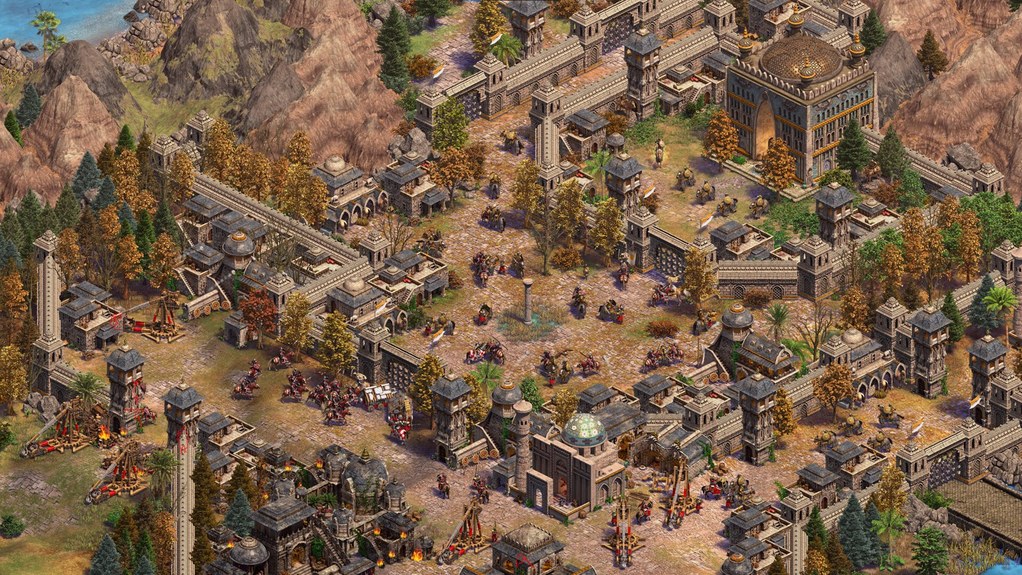
Japanese at a glance shows how its bonuses support water and hybrid play, with faster infantry attack from Feudal Age onward, stronger fishing ships, and unique techs that accelerate siege and tower play. The civilization scales well across unit synergies, but it also faces gaps like the absence of Paladin, Hussar and Bombard Cannons, which shapes your map and unit decisions. The Japanese sit in the middle of the AOE2 civilization tier list, at their best on water and hybrid maps. This section uses a simple layout to lead into concrete tables on bonuses, strengths, weaknesses, and best maps.
| Bonus and tech | Impact on play | Example map influence |
|---|---|---|
| Infantry attack speed 33% (from Feudal) | Improves all foot infantry’s damage output in early fights | Strong in early confrontations and Man-at-Arms pressure |
| Fishing ships have higher HP, more armor, and faster work rate | Enhances water economy and Hybrid map viability | Dominant on lakes and coastlines, efficient for fish-based eco |
| Team bonus: Galley line LOS +4 | Increases visibility for sea engagements and map control | Helps pole-position on water-centered maps |
Note: The table above highlights the core points of bonuses and their practical effects, setting the stage for deeper discussion in the full guide.
Bonus list, strengths, weaknesses and best maps
The bonus list, strengths, weaknesses, and best maps for this civ highlight a unique blend of water and land power that shapes how you play from the Feudal Age onward.
Expect fast infantry timing, archer support, and careful map control across both land and sea fronts.
Japanese civilization bonuses
Japanese bonuses center on faster infantry, cheaper basic buildings, stronger fishing ships, and enhanced ranged support. You’ll notice infantry attack speed is the defining edge from Feudal Age onward, while Mills, Lumber Camps, and Mining Camps cost half, augmenting early economy. On water, fishing ships are tougher and faster, and Cavalry Archers perform better against archers, with the Galley line gaining extra line of sight for map control.
| Bonus | What it does | Why it matters |
|---|---|---|
| Infantry attack speed | All foot infantry attack 33% faster from the Feudal Age | Wins early melee fights and powers Men-at-Arms pressure |
| Building costs | Mills, Lumber Camps and Mining Camps cost 50% less wood | Cheaper early infrastructure and a smoother economy |
| Fishing ships | Double HP, +2 pierce armor, work 5%/10%/15%/20% faster per age | Dominant water and hybrid play |
| Cavalry Archers | +2 attack versus archers, except Skirmishers | Wins archer duels and counters archer-heavy civs |
| Team bonus | Galley line ships get +4 line of sight | Better scouting and map awareness on water |
Infantry attack speed: the defining bonus
Infantry attack speed is the defining bonus for this civ, since all foot infantry, including the iconic Samurai, move and strike more quickly from Feudal Age onward.
You’ll notice faster melee actions, improving uptime for engagements and micro. This bonus underpins Men-at-Arms play, supports archery pressure, and helps you trade space with faster response times.
Half cost Mills, Lumber Camps and Mining Camps
Half-cost Mills, Lumber Camps, and Mining Camps streamline your early economy by reducing wood costs for key buildings. You’ll see faster expanded infrastructure as you build, enabling smoother villager conversions and quicker upgrades.
Lower wood demand means you can invest in early defense or scout expansion sooner. Monitor wood balance carefully to maximize efficiency.
Fishing ships: double HP, extra pierce armor and faster work rate
Fishing ships in this civ’s toolkit are particularly tougher and more efficient than standard ships: they’ve twice the hit points, gain extra pierce armor, and work 5% to 20% faster across ages.
This enhances naval durability, survivability, and production speed.
These buffs strengthen water play and hybrid strategies through every age.
Cavalry Archer bonus versus archers and team Galley line of sight
Cavalry Archers in this civ have a notable bonus when facing archers, giving them an edge in ranged skirmishes as they mix mobility with poke damage.
This adds up to stronger duels against archer lines, while the team Galley line of sight bonus improves map awareness for the whole team.
Use this to time micro and coordinate decisive naval skirmishes.
The Samurai: stats, role and when to mass them
The Samurai is a fast-attacking infantry unit that excels at pressuring other unique units and breaking through light defenses, so you mass them when you want sustained frontline pressure or to punish opponent builds that rely on slower infantry. They benefit from the Japanese eco and techs that boost infantry speed and output, but you should mass them with support from Archers or Arbalests to handle ranged counters and to keep your battle lines coherent. Use a timing when your melee timing matches enemy vulnerabilities, and shift into a mid-game to late-game composition that capitalizes on their mobility and attack style.
| Stat | Value |
|---|---|
| Cost | 45 food, 30 gold |
| Hit points (non-Elite) | 70 |
| Attack (non-Elite) | 10 |
| Attack rate | One strike every 1.43 seconds, the fastest infantry attack in the game, tied with the Condottiero |
| Anti-unique-unit bonus | +10 attack versus unique units (+12 for Elite) |
| Charge | +1 attack after 30 seconds of charging, plus a 25% speed boost toward nearby enemies |
| Elite upgrade | 750 food, 650 gold |
The anti-unique-unit bonus
Samurai serve as a unique counter to other unique units and heavy infantry.
They function as fast-attacking, mid- to late-game infantry that excels at pressuring and beating specific threats.
The anti-unique-unit bonus means you utilize massed infantry to disrupt rivals’ strategies and protect economy.
Unique technologies
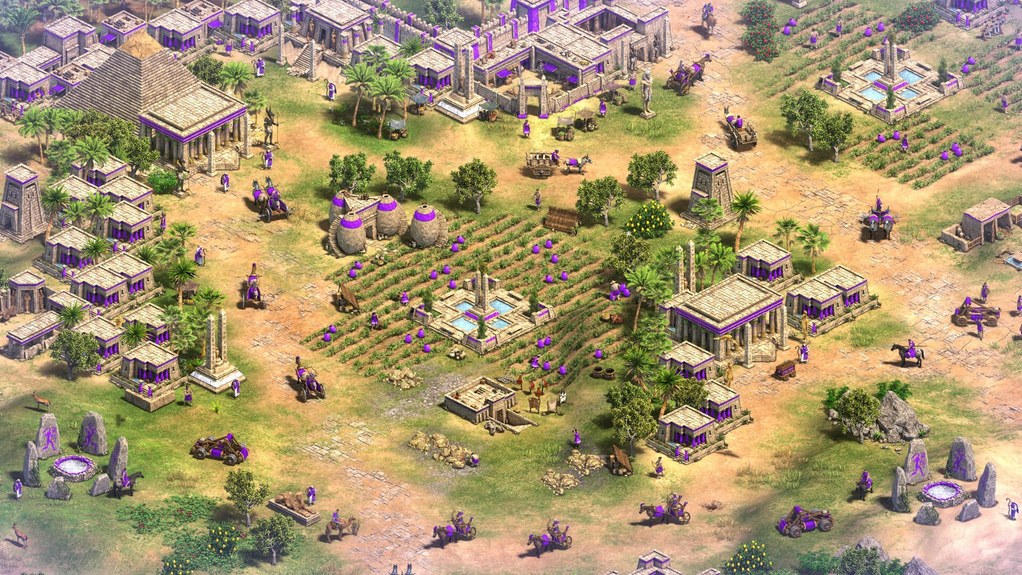
Yasama makes Watch Tower line buildings fire two extra arrows per volley, giving you stronger defence and more map control without any extra micro.
Kataparuto makes Trebuchets pack, unpack and fire 33% faster, helping you apply pressure earlier and recover from failed fights more quickly.
Together, these technologies enhance your mid- to late-game versatility by strengthening your defense with towers and speeding siege momentum, which complements your water and hybrid strategies.
Yasama: extra tower arrows
Yasama, the Japanese unique technology, increases firepower by adding extra arrows to the Watch Tower line. This means towers shoot more projectiles than usual and do so more quickly.
You’ll notice taller arrow bursts in longer exchanges, improving defense on chokepoints. This makes early tower defence significantly stronger and cheaper to hold.
Combined with the half-price eco buildings, Yasama rewards tower play from the Castle Age onward.
Kataparuto: fast trebuchets
Kataparuto is a Japanese unique technology that dramatically improves trebuchets, making the siege engine faster to pack, deploy, and fire.
The faster cycle reduces downtime between unpacking and firing, so a push keeps its momentum.
It emphasizes timing, keeps pressure on enemies, and complements water play, letting you command heavier, quicker assaults with better efficiency.
Tech tree strengths and weaknesses
You’ll see that Full Arbalests, Halberdiers, and Champions shape the core mid and late-game options.
But the tech tree lacks several key upgrades that limit potential power in some matchups. The tree lacks Hussar, Paladin and Plate Barding Armor for cavalry, plus Bombard Cannons, Siege Rams and Siege Onagers, and it has no camels at all. Those gaps show against fast cavalry and heavy siege.
This requires you to rely on alternative lines or early pressure instead.
This gap between strong infantry and strong ranged or siege units defines Japanese play, guiding how you address weaknesses across maps and openings.
Full Arbalests, Halberdiers and Champions
Full Arbalests, Halberdiers, and Champions form a core backbone of the Japanese tech tree, each bringing distinct strengths and weaknesses that shape mid-to-late game plans.
Full Arbalests provide ranged punch, while halberdiers counter heavy infantry. Champions offer strong front-line dominance.
Their cooperation stabilizes timing, but gaps rise when enemy exploits diversifies, requiring careful micro and terrain use to maximize their value.
What is missing: cavalry upgrades, Bombard Cannons, Siege Onagers and camels
Cavalry upgrades, Bombard Cannons, Siege Onagers, and camels are gaps in the Japanese tech tree that influence mid-game and late-game flexibility.
You should know these gaps limit strong late-appearance power spikes and counterplay options. The missing cavalry upgrades remove reliable hit-and-run and flanking options.
This affects balance, unit choices, and matchup sustainability across maps and timings.
Japanese build orders
You’ll cover three key build orders: Men-at-Arms into Archers with precise villager timing, Men-at-Arms into a Tower Rush for early aggression, and a fishing ship economy that shines on water and hybrid maps. These strategies hinge on fast infantry pressure, versatile Samurai, and efficient use of fishing ships and reduced wood costs, so you’ll adjust your timing to capitalize on Feudal Age bonuses and water map openings. For the archery half of the plan, our archer rush guide covers the follow-up in detail. Below is a concise table to frame the choices and a note on how to tailor each plan to map type and opponent play.
| Build order | Primary goal | Typical timing goals |
|---|---|---|
| Men-at-Arms into Archers | Apply early pressure while keeping food/gold balanced | Feudal around 6:30-7:00, Archers from around 8:30-9:00 |
| Men-at-Arms into Tower Rush | Disrupt enemy economy, force walls or defenses | Feudal around 7:00, first tower down by around 8:00 |
| Fishing ship economy (water/hybrid) | Utilize strong water eco and hybrid map mobility | Water control early; full eco by 8:00-9:00 with ships |
Men-at-Arms into Archers: villager allocation and timing
When you go for Men-at-Arms into Archers on Japanese maps, you pace villager timing to support early melee pressure while building a solid archer core.
A typical 21-22 population Feudal click, with six villagers on sheep and four on wood, gives a smooth base for this build. Allocate early farms and wood for a stable archery range, then shift to gold as Feudal hits. To drill the timing, see our guide on how to practice build orders.
This build balances pressure and economy, so archer production stays consistent. If you would rather reach Castle Age first with a 26+2, our fast castle build order covers that route.
Men-at-Arms into Tower Rush: the aggressive variant
The Men-at-Arms into Tower Rush variant uses early pressure to break open the opponent’s safety while building a solid archer core and a fast defensive position.
You run a compact build, advancing Men-at-Arms before switching into towers and archers.
Target steady eco growth, tight micro, and timing windows to maximize tower damage and map control.
Fishing ship economy on water and hybrid maps
On water and hybrid maps, Japanese players can employ a strong fishing ship economy to sustain fast growth and support a versatile military.
Fishing ships enable early economic expansion, so you can shift to military faster than most civs.
Prioritize dock timing, manage fish catch rates, and protect your fishing lanes from raids.
Maintain balance between fishing ships and land forces.
How to play Japanese on water and hybrid maps
The Japanese excel on water and hybrid maps through a combination of stronger fishing ships, resilient water eco, and versatile land pressure.
On water, lean on fishing ship durability and the faster work rate for a strong economy, then pressure with Men-at-Arms and Archers to control the shoreline and fishing spots.
Balance wood and food, deploy Kataparuto for rapid siege support, and upgrade Galley line visibility.
How to counter the Japanese
Beating the Men-at-Arms pressure requires you to mix in ranged options early and adapt your timing, since their infantry pushes fast and can overwhelm soft targets if you overcommit.
You should focus on countering Samurai with disciplined unit choices and micro, exploiting their bonus against other unique units by avoiding poor trades and keeping ranged support afloat.
Finally, you can exploit gaps in their early cavalry and siege access by pressuring with flexible builds and map control, forcing them into less effective tech paths.
Beating the Men-at-Arms pressure
What makes Men-at-Arms pressure a persistent threat is how quickly Japanese can push a steady line of infantry forward and force you to react.
But you can counter it by tightening your build, denying their timing, and choosing responses that disrupt their economy and map control.
Tighten your own build, deny their timing windows, and stabilize early.
Countering Samurai
Countering Samurai requires a precise, disciplined approach because their fast-attacking infantry can pressure your lines early and threaten your economy.
To counter Japanese samurai, you should probe their timing with Men-at-Arms, then switch to archers or spears as needed.
Recognize Japanese weaknesses: avoid overcommitting and protect vulnerable wood lines.
Use solid build order concepts for steady pressure.
Exploiting the missing cavalry and siege
Japanese lack cavalry and siege options early, which you can exploit by coordinating pressure with infantry and ranged units while denying safe upgrades for the enemy.
Focus on map control and steady harassment to keep enemy techs delayed.
Time pushes against their exposed windows: secure early archers, force costly defensive shifts, and slow their economy.
Related builds: men-at-arms puts the Japanese infantry bonus to work in Feudal Age, and the Arena build order covers the closed-map version of their late game.
FAQ
You’ll see that Japanese bonuses include faster infantry attack after Feudal Age, reduced wood costs for mills and camps, and stronger fishing ships, all shaping a strong water and hybrid play.
The main questions cover why infantry attack speed stands out, what the standard build order looks like, how they perform on water and hybrid maps, and what the tech tree lacks compared to other civs.
We’ll also summarize the standard Men-at-Arms into Archers approach, outline the key techs like Yasama and Kataparuto, and point to the civ bonus and Samurai stats while noting gaps in Paladin, Hussar, and other late-game options.
What are the Japanese bonuses in AOE2?
In AOE2, the Japanese civilization comes with several distinct bonuses that shape their gameplay across ages.
You’ll notice infantry attack speed 33% faster from Feudal onward, cheaper wood by 50% for certain buildings, and fishing ships with higher HP and armor plus faster work rates.
Cavalry Archers gain extra attack versus archers, while Galley line units benefit from extended line of sight.
Why is the Japanese infantry attack speed the strongest in the game?
The reason infantry attack speed stands out in this game is that it changes every melee encounter from the Feudal Age onward.
This allows one side to win trades more often when it can sustain pressure.
This speed shift supports Men-at-Arms and Archers combos, influencing timing and micro in every match.
What is the standard Japanese build order?
A standard Japanese build order focuses on a strong Feudal Age push that combines quick Men-at-Arms pressure with early Archers, while maintaining solid eco through a balanced food-to-gather setup and timely wood gathering for buildings and upgrades.
Prioritize an early Feudal Age, scout a safe wood line, then shift seamlessly into Archers and quick upgrades.
How do the Japanese play water and hybrid maps?
Water and hybrid maps reward Japanese players with strong water control and flexible land play, so you should focus on leveraging their admiral-like fishing economy and powerful navy early on.
On water maps, scout for dock openings, mass Galleys with archer support, and bring Kataparuto trebuchets into the late game.
Maintain balanced eco, micro manage villagers, and pressure opponents’ shoreline.
What does the Japanese tech tree lack?
Japanese tech tree lacks some modern unit options and certain siege capabilities found in other civs.
The tree lacks Paladins, Bombard Cannons, Siege Onagers and Plate Barding Armor, so heavy cavalry options stay limited.
This affects late-game force composition, forcing reliance on infantry, archers, and trebuchets, while slow siege expansion reduces flexibility during shifts and pushes.
How do I counter Samurai and the Japanese late game?
Samurai hit hard when they reach the mid to late game, and countering them requires a plan that combines unit mix, positioning, and timing.
To counter Japanese, prioritize a mix of Man-at-Arms and Archers, backed by early defense and micro to avoid sprinting charges.
Focus on map control, strong stone/wood timing, and maintaining safe ranges while pressuring their economy.